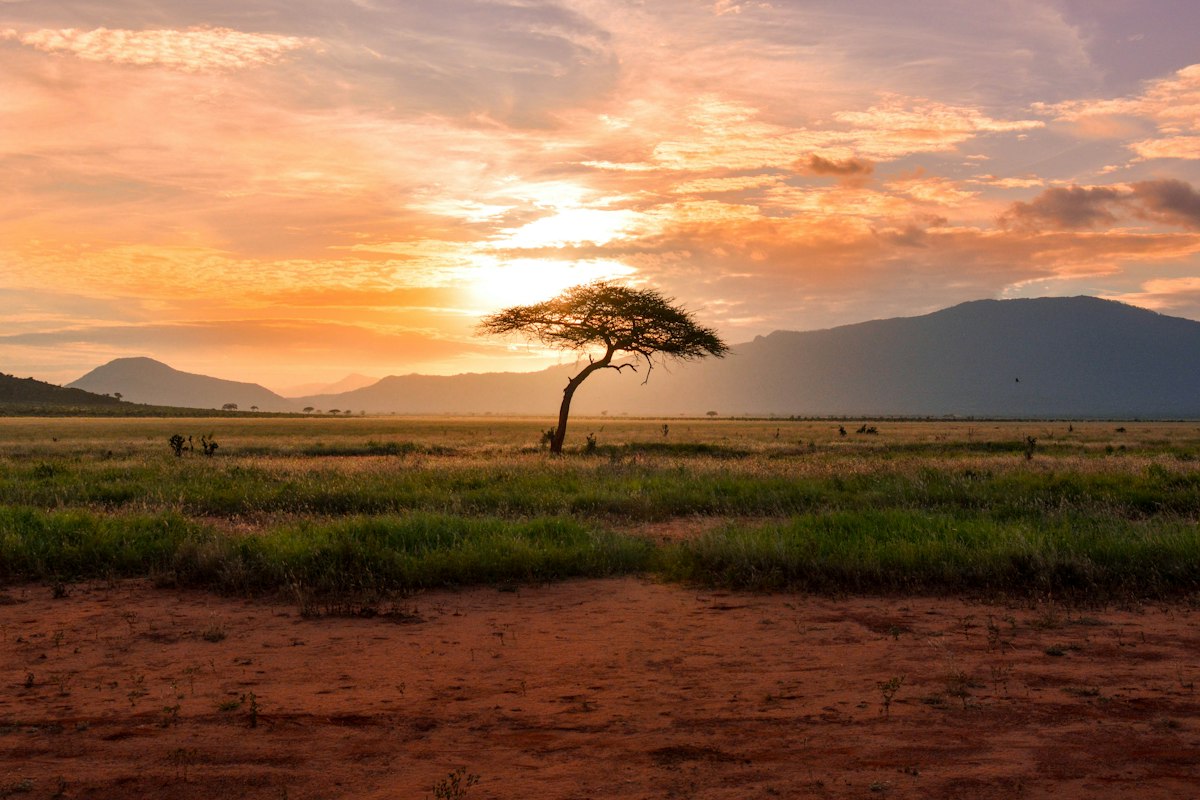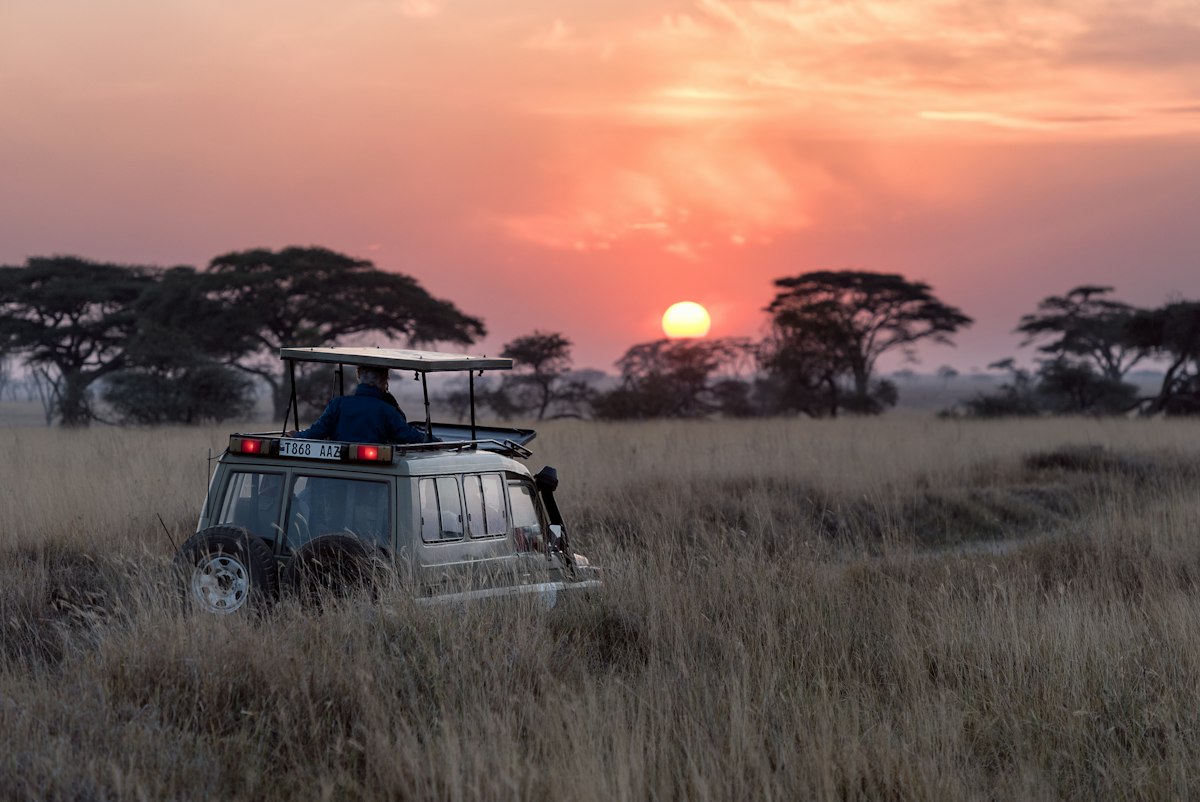
A safari in Africa is, quite possibly, the most transformative travel experience on earth. No screen, no Instagram filter, no YouTube video can come close to what it feels like to see a lion ten meters away at dawn, or to witness millions of wildebeest plunging across a river while crocodiles lie in wait below.
It is a demanding journey — and honesty demands we say so. Days begin at five-thirty in the morning and rarely end before nine or ten at night. It is intense, and without thoughtful design it can feel repetitive. And yet it is, without question, the most spectacular experience life has to offer. At Vilu, we have crafted safaris across Kenya, Tanzania, Botswana, Namibia, South Africa, Zambia, Zimbabwe, Uganda, and Rwanda. Each country brings something entirely its own.
The Great Migration: Nature's Most Breathtaking Spectacle
More than two million wildebeest, zebras, and gazelles move in an eternal cycle between Tanzania and Kenya, following the rains. It is the largest overland mammal migration on the planet, and it unfolds year-round — what changes is where the herds are.
Nine of the twelve months unfold on the Tanzanian side (in the Serengeti), while approximately three months play out on the Kenyan side (in the Masai Mara, generally from August through October). The Mara River crossings — where wildebeest hurl themselves into crocodile-filled waters — are the migration's most dramatic act, occurring primarily between July and October.
When designing your safari with Vilu, we always ensure you witness the Great Migration. We know precisely where the herds are at every time of year and position your camp accordingly.
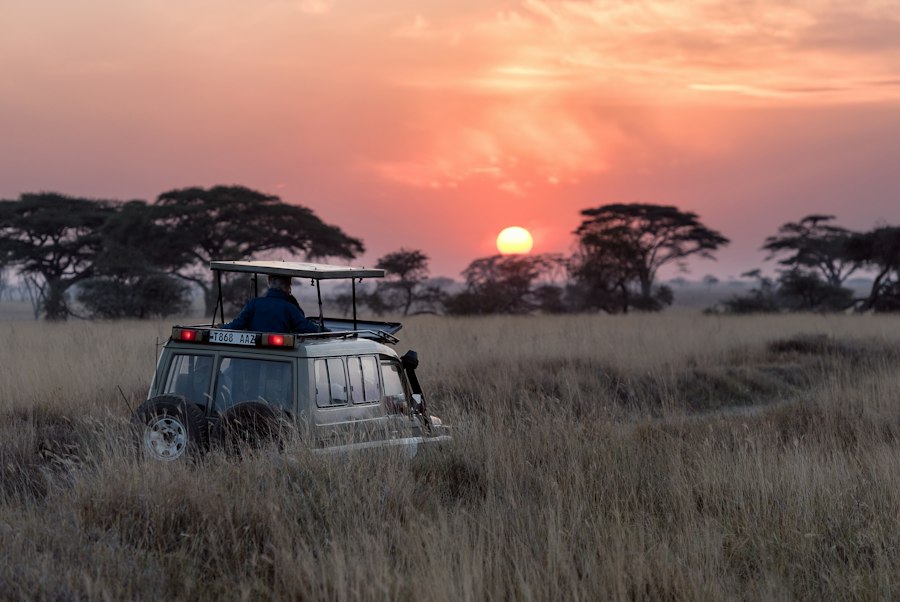
The Big Five: Africa's Most Iconic Animals
The Big Five are: lion, leopard, elephant, rhinoceros, and Cape buffalo. The name does not refer to their size but to the difficulty of hunting them in the colonial era — today, we hunt them only with cameras.
South Africa is the finest destination in the world for seeing the complete Big Five. Both the rhinoceros and the leopard — the two most elusive — are spotted with far greater frequency there than anywhere else on the continent. The Sabi Sands reserve is the single best place on earth for leopard sightings — encounters are virtually guaranteed on a daily basis. Kenya also offers all five, with rhinoceros sightings easier to come by than in Tanzania.
Choosing Your Safari Destination
South Africa — The ideal first safari. This is the perfect country for those embarking on their first safari experience. Why? Because it pairs 4 to 5 days of extraordinary game viewing with Cape Town, the Stellenbosch wine route, and the Garden Route. It is less demanding than a pure eight-day safari, since the raw wilderness alternates with cosmopolitan sophistication and rolling vineyards. And the quality of lodges in private reserves such as Sabi Sands, Timbavati, and Madikwe ranks among the finest anywhere in the world.
Kenya — The classic safari and the Great Migration. The Masai Mara is arguably the world's most celebrated reserve. The Mara River crossings (August through October) represent the migration's most electrifying moments. Amboseli, with Kilimanjaro rising against the horizon, offers one of Africa's most iconic images.
Tanzania — Serengeti, Ngorongoro, and beyond. The Serengeti is where the Great Migration spends most of the year. The Ngorongoro Crater is a singular ecosystem — a ring of ancient mountains enclosing a vast plain where the Big Five roam in remarkable concentration.
Botswana — The most exclusive safari destination. The Okavango Delta is a one-of-a-kind ecosystem where game viewing takes place by mokoro, the traditional dugout canoe. Camps accommodate a maximum of 12 to 16 guests in locations of utter remoteness. Chobe harbors the largest concentration of elephants on the African continent.
Namibia — A safari of landscapes. The crimson dunes of Sossusvlei, the Namib Desert, the Skeleton Coast. This is a journey more visual and photographic in character than one defined purely by wildlife encounters.
Zambia and Zimbabwe — The safaris travelers overlook. Most visitors come only for Victoria Falls, yet both countries offer absolutely spectacular game viewing that remains largely undiscovered. South Luangwa in Zambia stands among Africa's finest parks.
Uganda and Rwanda — Mountain gorilla trekking. Among the most emotionally profound experiences our planet affords — standing just meters from a gorilla family in their natural habitat. Rwanda is significantly more exclusive than Uganda — permits and lodges cost roughly two to three times as much — but the infrastructure and overall accessibility in Rwanda are markedly superior.
How Many Days Do You Need?
Pure safari: 7 to 8 consecutive days. The most immersive experience, and also the most demanding. Safari days are intense — a game drive at dawn (5:30am), a midday rest, an afternoon game drive through sunset, then dinner. Exhausting, yet profoundly transformative.
South Africa combined: 10 to 14 days. Four to five days of safari paired with Cape Town and the wine estates. The perfect balance between raw wilderness and urban refinement.
Safari plus beach: 12 to 16 days. After the exhilaration of the bush, closing with days of pure relaxation on the water is the ideal counterpoint. Our favorite combinations: Kenya or Tanzania plus Zanzibar, South Africa plus the Seychelles or Mauritius, Tanzania plus Mozambique.
Safari plus gorillas: add 3 to 4 days. Two trekking days are needed (one for habituation, one for the main encounter) along with transit days on either side.
National Park vs. Private Reserve
The distinction is profound — and many travelers are unaware of it:
National Park. Vehicles must remain on designated tracks. Night game drives and bush walks are not permitted. There are more vehicles and more visitors. Yet the landscapes are sweeping and wildlife concentrations can be breathtaking — particularly in the Serengeti and Masai Mara.
Private Reserve. Vehicles may leave the tracks entirely and follow animals through the bush. Night game drives with a spotlight reveal predators on the hunt. Bush walks with an armed ranger offer a ground-level perspective. Vehicle numbers are strictly limited — sometimes yours will be the only one present. The overall experience is significantly more intimate and exclusive.
We recommend experiencing both within a single journey — the grandeur of the national park alongside the intimacy of the private reserve.
How Much Does a Safari Cost?
Pricing varies widely depending on the country, accommodation style, and season:
National Park lodge, 4★: $500 – $1,000 USD per person per night. All-inclusive with game drives, meals, and beverages. A genuine and spectacular experience.
National Park ultra-luxury: $3,000 – $5,000 USD per person per night. Exceptional lodges with outstanding service within the parks themselves.
Private reserve, entry-level: $1,000 – $2,000 USD per person per night. Off-road vehicles, night game drives, and bush walks included.
Private reserve ultra-luxury: $3,000 – $5,000+ USD per person per night. The pinnacle of exclusivity — camps of just 6 to 8 suites.
Gorilla trekking, Uganda: $2,000 – $3,000 USD per person per night (permit included).
Gorilla trekking, Rwanda: $3,000 – $6,000 USD per person per night (permit included).
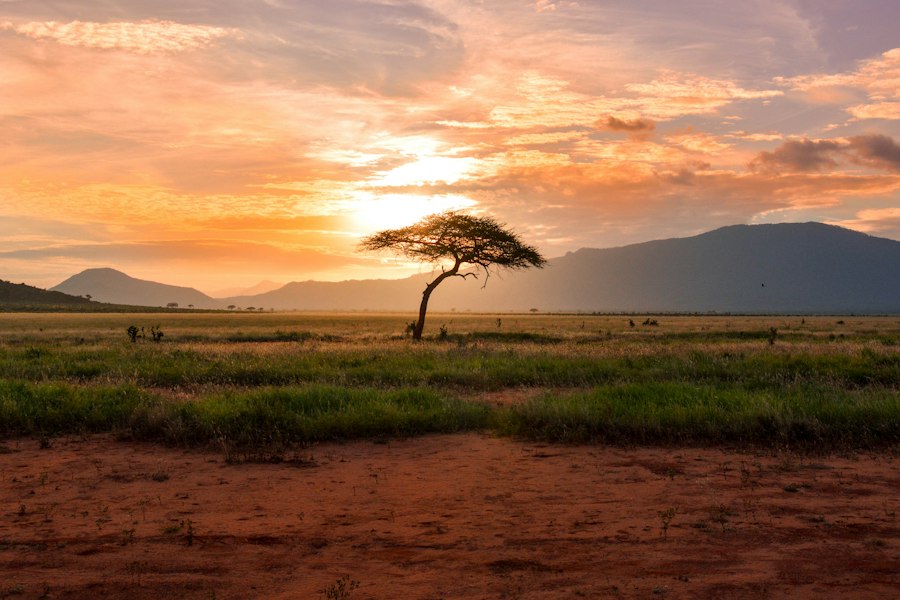
Pairing Safari with Beach
The most sought-after combinations following a safari:
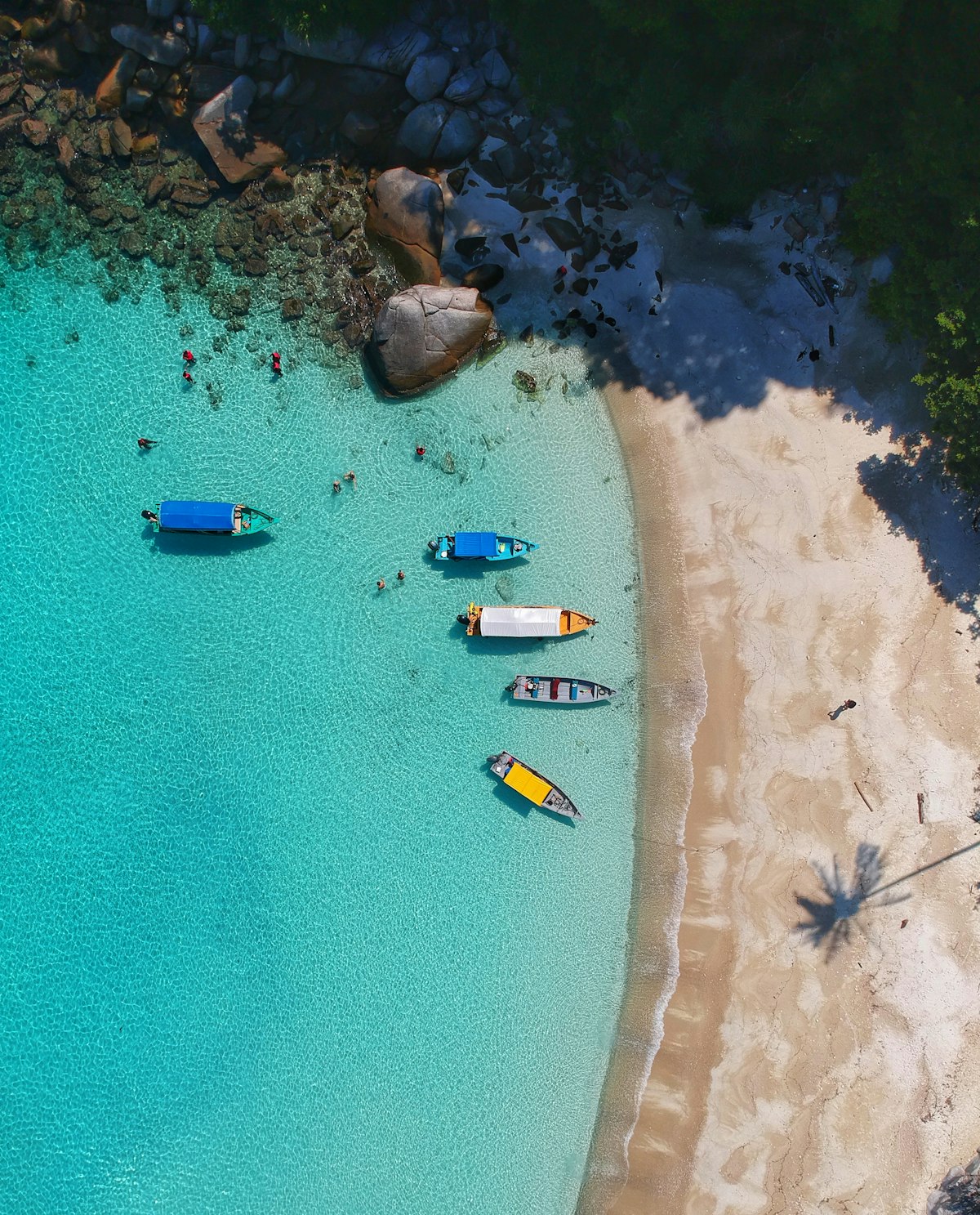
Zanzibar. The most seamless pairing if your safari is in Tanzania or Kenya. White-sand beaches, turquoise waters, spice tours, and the storied lanes of Stone Town. A short flight from the Serengeti or Nairobi.
The Seychelles. The most exclusive option. Sculptural granite boulders, pristine nature, and ultra-luxury resorts of rare elegance.
Mauritius. Beach, culture, golf, and gastronomy — the most complete combination.
Mozambique. Untouched beaches, world-class diving, and very few tourists. Africa's best-kept secret.
"The lodge was intimate and exclusive, the guides extraordinary. And then the beaches of Zanzibar were the perfect final chapter."
What Nobody Tells You About a Safari
It is demanding. Days begin before dawn and end well after sunset. Five consecutive days of pure safari leave even seasoned travelers ready to rest. This is why we recommend combining the bush with beach or city time.
You won't always see everything. Wildlife operates on no schedule and offers no guarantees. You may spend three days without a leopard sighting, or encounter five in a single game drive. An exceptional guide and a well-positioned lodge will dramatically improve your odds.
Internal flights add up. Most multi-destination safaris require light aircraft transfers between camps. These can add $2,000 – $4,000+ to the overall cost of the journey.
Tipping matters. Gratuities are both expected and meaningful for guides and lodge staff. A general guideline is $20 to $50 USD per person per day.
Frequently Asked Questions About Safaris
Is a safari safe?
Absolutely. Guides are seasoned professionals with years of field experience, and safety protocols are rigorously observed. You travel in an open vehicle, yet you are well protected — animals perceive the vehicle as a single large object rather than as individual people.
Can I bring children on a safari?
Yes. Many lodges welcome children from age six onward. South Africa is particularly well-suited for family safaris, as numerous properties offer dedicated children's programs and distances between destinations tend to be shorter and more manageable.
Do I need special vaccinations?
Requirements vary by country. Some destinations require yellow fever vaccination; others recommend malaria prophylaxis. Our team will advise you on the most current requirements specific to your chosen itinerary.
| Country | Signature Experience | Best Season | Starting From | Ideal For |
|---|---|---|---|---|
| South Africa | Big Five, leopards, city and wine estates | May – Oct | $1,000/night | First safari, combined journey |
| Kenya | Great Migration (Aug–Oct), Masai Mara | Jul – Oct | $500/night | Migration, classic safari |
| Tanzania | Serengeti, Ngorongoro, migration | Jun – Oct | $500/night | Diverse wildlife |
| Botswana | Okavango Delta, Chobe | Jun – Oct | $1,500/night | Ultimate exclusivity |
| Namibia | Dunes, desert, landscapes | May – Oct | $500/night | Photography, scenery |
| Uganda | Mountain gorillas | Jun – Sep | $2,000/night | Gorillas, accessible |
| Rwanda | Mountain gorillas | Jun – Sep | $3,000/night | Gorillas, ultra-exclusive |
Ready to live this experience?
Our team of Travel Designers will contact you within 24 hours.