Japan is one of the destinations we design most frequently at Vilu — and one of the most transformative for those who experience it. It is a country where precision and refinement are felt in every detail: from the way your tea is served to the way a bullet train arrives to the exact second. It is a place where the most futuristic modernity coexists alongside centuries-old tradition, where you can have breakfast at a fish market at dawn and dine that evening at a Michelin-starred restaurant seating just eight guests.
Japan offers cities, charming villages, world-class skiing, cutting-edge culture, extraordinary cuisine, and experiences that simply do not exist anywhere else on earth. It resembles nothing you have ever seen — and that is precisely what makes it so extraordinary.
How Many Days Do You Need for a Trip to Japan?
This is always the first question we hear. The answer depends on how deeply you want to immerse yourself. Important note: these figures refer to nights at your destination, not counting travel days.
7 nights — The minimum we recommend. Ideal if you are combining Japan with another destination or have limited time. Tokyo (3 nights), Kyoto (2–3 nights), and Osaka (1–2 nights). It is an immersive itinerary, but when thoughtfully designed, it covers all the essential highlights.
10 nights — Our ideal starting point for a first journey. Tokyo, Kyoto, and Osaka at a comfortable pace, plus one additional destination such as Hiroshima with the island of Miyajima, Kanazawa with its impeccable gardens, Kurashiki with its historic canal district, or Hakone with views of Mount Fuji.
14 nights — For those who want to truly know Japan. Two weeks allow you to venture beyond the main corridors and discover experiences most travelers never encounter: stays in centuries-old ryokans, the Kumano Kodo pilgrimage trail, the art island of Naoshima, the Japanese Alps, or traditional villages such as Takayama and Shirakawa-go.
21 nights — Japan in full depth. Three weeks is the dream journey. You combine the great cities with remote villages, experience world-class skiing in Niseko or Hakuba in winter, travel the coastline of Shikoku, visit Okinawa for tropical beaches, or explore the wild north of Hokkaido.
The Best Season to Travel to Japan
Spring (late March through May). The most coveted season of all. The cherry blossoms (sakura) transform the entire country into a breathtaking canvas of soft pink. They typically bloom between late March and mid-April, though timing varies each year by region. Your Travel Designer monitors bloom forecasts to fine-tune your itinerary accordingly. Book at least 6 months in advance — the finest properties fill quickly.
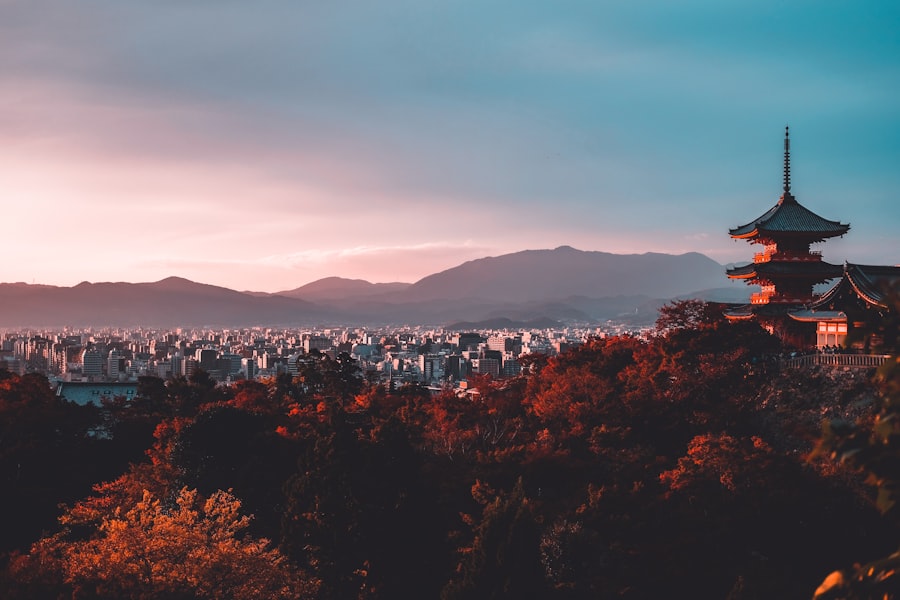
Autumn (October through November). Equally spectacular and somewhat less crowded than spring. The crimson, amber, and gold foliage (koyo) draped across Kyoto's temples is among the most beautiful imagery on the planet. November in Kyoto is simply magical.
Winter (December through March). The season for skiing and onsen. Japan is legendary for its powder snow in Niseko, Hakuba, and Nozawa Onsen. The snow monkeys of Nagano soaking in steaming thermal pools are one of the country's most iconic sights. The cities in winter draw fewer visitors and carry a special, serene energy.
Summer (June through August). Hot and humid across most of the country. It is not our favorite season, though the spectacular fireworks festivals (hanabi) are a highlight, and Hokkaido in the north enjoys pleasantly mild temperatures.
The Essential Destinations
Tokyo (3–4 nights). The capital is a universe unto itself. Shibuya with its iconic pedestrian scramble, Shinjuku with the intimate bars of Golden Gai, Asakusa with the Senso-ji Temple, Ginza with its luxury boutiques, Akihabara with its otaku culture, and Tsukiji/Toyosu with its pre-dawn tuna auctions. Tokyo has more Michelin-starred restaurants than any other city in the world. Yet the neighborhood izakayas are every bit as memorable as the celebrated fine dining establishments.
Hakone (1–2 nights). Just ninety minutes from Tokyo, Hakone offers sweeping views of Mount Fuji, natural hot springs (onsen), open-air museums, and ryokans with private thermal baths. It serves as the perfect transition between the intensity of Tokyo and the contemplative calm of Kyoto.
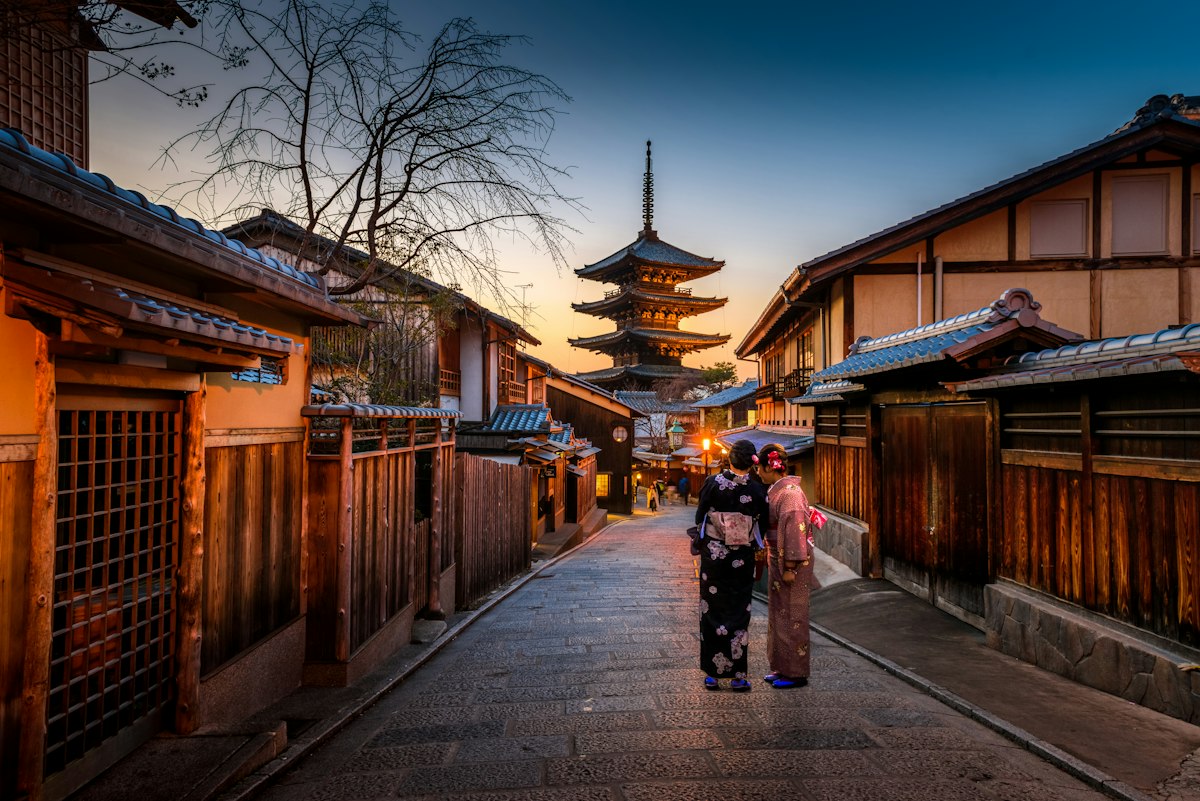
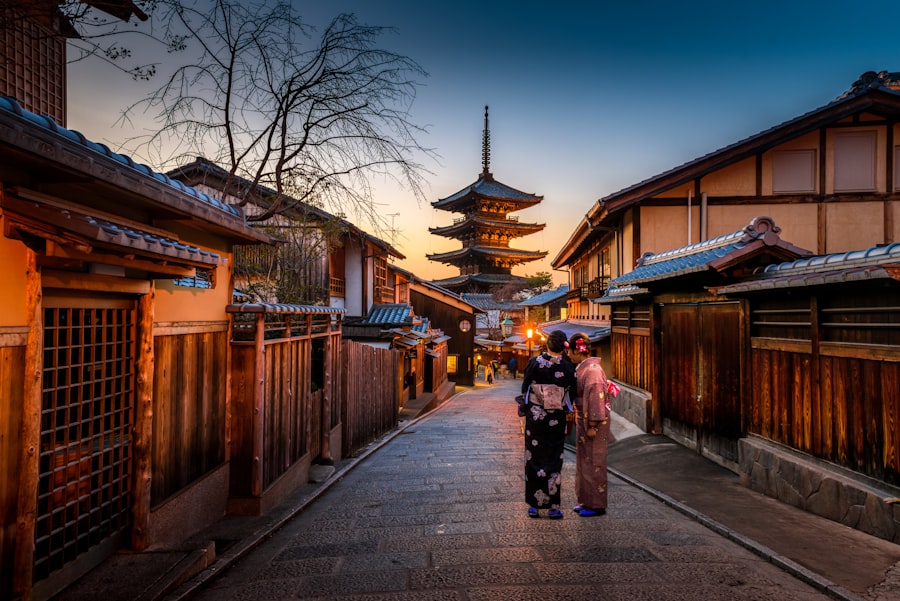
Kyoto (3–4 nights). Japan's cultural capital. More than 2,000 temples and shrines, geisha gliding through the lanes of Gion, zen gardens designed for quiet reflection, centuries-old tea ceremonies, and kaiseki cuisine that is nothing short of edible art. Fushimi Inari at dawn — thousands of vermilion torii gates and not another soul in sight — is one of the most powerful experiences the entire journey has to offer.
Osaka (2–3 nights). Japan's culinary capital. The Japanese themselves say "in Osaka, you eat until you go broke" (kuidaore). The Dotonbori district blazes with neon and legendary street food — takoyaki (octopus balls), okonomiyaki (Japanese savory pancakes), and ramen at counters seating just eight. Osaka carries a more relaxed, playful energy than Tokyo.
Hiroshima and Miyajima (1–2 nights). The Peace Memorial Museum and the Atomic Bomb Dome deliver a profoundly moving experience. The island of Miyajima, with its iconic torii gate rising from the sea, is one of Japan's most enduring and unforgettable images.
Kanazawa (1–2 nights). Home to Kenroku-en — one of Japan's three most celebrated gardens — the geisha district of Higashi Chaya, and an exceptional seafood market. It is the less-touristed alternative to Kyoto, equally rich in culture and beauty.
Additional destinations for longer journeys. Kurashiki with its historic canal district, Takayama with its grand festival floats, Shirakawa-go with its snow-laden thatched-roof farmhouses in winter, Naoshima — the contemporary art island, Koyasan for an overnight stay in a Buddhist temple, and Okinawa for tropical beaches and the distinctive Ryukyuan culture.
Experiences We Design in Japan
Private omakase dinners. Intimate restaurants seating just six to eight guests, where the chef prepares each piece of sushi or each course right before you. The chef speaks with you directly, explains each ingredient, and tailors the menu entirely to your preferences. It is an experience of rare intimacy that exists nowhere else in the world.
Historic ryokans with private onsen. Traditional Japanese inns where you sleep on tatami, enjoy a twelve-course kaiseki dinner served in your room, and immerse yourself in private natural thermal waters. Some ryokans carry over 300 years of history and have been operated by the same family across generations.
Tea ceremony with a certified master. Not the tourist version — a genuine ceremony conducted by a master who has devoted decades to perfecting the art of tea. It is a moment of silence, precision, and beauty that distills the very essence of Japanese philosophy.
Kyoto's temples at dawn. Fushimi Inari at six in the morning, with thousands of vermilion torii gates entirely to yourself. No crowds, no noise — only you and the path that winds up the mountain beneath the gates. It is among the most magical experiences Japan has to offer.
Japanese cooking classes. Learn to prepare sushi, ramen, or tempura alongside a professional chef. Some classes include a visit to the market to hand-select the day's ingredients.
Scenic luxury trains. Beyond the Shinkansen, Japan operates extraordinary tourist trains such as the Twilight Express Mizukaze, winding through landscapes of mountains, valleys, and snow-covered villages.
Gastronomy: The Heart of the Journey
Japan has more Michelin-starred restaurants than any other country on earth. Yet what is truly astonishing is not only the celebrated establishments — it is the small neighborhood izakayas where the owner cooks alone for ten guests, the pre-dawn markets where fishermen sell their morning catch, and the ramen stall with a one-hour line because every single bowl is perfect.
Each region has its signature specialty: Tokyo-style ramen (shoyu), Osaka ramen (tonkotsu), Kobe wagyu beef, Hokkaido crab, and the matcha tea of Uji near Kyoto. Your Travel Designer will weave gastronomic experiences throughout your itinerary tailored to your personal tastes — from street food discoveries to restaurants that require reservations three months in advance.
"The food was on another level entirely — restaurants we never could have accessed without Vilu."
Getting Around Japan
Shinkansen (bullet train). Japan's high-speed rail network connects the major cities at speeds of up to 320 km/h. Tokyo to Kyoto takes just two hours and fifteen minutes. It runs with second-perfect punctuality, offers exceptional comfort, and is an experience in its own right. The Japan Rail Pass may be an excellent option depending on your itinerary.
Private driver. The ideal choice for rural areas, families with children, or travelers who prefer complete comfort and flexibility. Perfect for exploring areas such as Hakone, the Japanese Alps, or the Kii Peninsula.
Luxury scenic trains. The Twilight Express Mizukaze, the Seven Stars in Kyushu, and other premium tourist trains offer journeys that are a destination in themselves.
What Nobody Tells You About Japan
The language. Outside of Tokyo and Osaka, very few people speak English. Yet Japanese hospitality is legendary — locals will guide you with gestures and walk you to wherever you need to go. A well-designed itinerary with detailed step-by-step instructions eliminates any barriers entirely.
Cash. Japan still relies heavily on cash, particularly at smaller restaurants, ryokans, and vending machines. Always carry yen with you.
Footwear. You will remove your shoes constantly — when entering ryokans, temples, certain restaurants, and fitting rooms. Wear shoes that slip on and off with ease.
Tattoos and onsen. Many public onsen do not permit tattoos. Ryokans with private onsen present no such issue — yet another reason to choose them.
Tipping. Tipping does not exist in Japan. Do not leave a tip — it can be perceived as offensive.
Silence on trains. Japanese passengers do not take phone calls on trains and keep all noise to a minimum. This is an important cultural norm to observe.
Frequently Asked Questions About Traveling to Japan
Is it difficult to travel through Japan without speaking Japanese?
Not at all, especially with a well-crafted itinerary that includes detailed instructions. Train stations have signage in English, and luxury hotels have bilingual staff. Your Travel Designer will provide step-by-step directions for every transfer and connection.
Is Japan a good destination for families?
Exceptional. It is one of the safest countries in the world. Children are captivated by Tokyo's theme parks, the free-roaming deer of Nara, the snow monkeys of Nagano, and of course, ramen.
When exactly do the cherry blossoms bloom?
Generally between late March and mid-April, though timing varies each year by region. Tokyo typically blooms before Kyoto. Your Travel Designer monitors bloom forecasts and adjusts your itinerary to ensure you witness the blossoms at their peak.
| Season | Months | Highlights | Ideal For |
|---|---|---|---|
| Spring | Mar – May | Cherry blossoms, perfect weather | Romance, photography, culture |
| Summer | Jun – Aug | Festivals, Mount Fuji, Hokkaido | Festivals, adventure |
| Autumn | Oct – Nov | Crimson and golden foliage | Temples, gastronomy |
| Winter | Dec – Mar | Skiing, snow onsen, snow monkeys | Skiing, relaxation |
Is this destination on your list?
Our team of Travel Designers will contact you within 24 hours.