Rome, Florence, and Venice appear on nearly every traveler's Italy itinerary — and rightly so. These are extraordinary cities that reward every day you give them. But Italy holds far more than its three most celebrated destinations, and some of the most memorable moments of any Italian journey unfold in the places most tourists never reach.
These are the destinations we recommend to travelers who already know the classics — or who want to weave the familiar together with the extraordinary on a longer first visit.
Puglia — Authentic Italy
The heel of Italy's boot is arguably the country's most authentic region. The trulli of Alberobello — conical white-stone dwellings that seem lifted from a fairytale — are a UNESCO World Heritage Site. Matera, just next door, features cave dwellings inhabited for millennia that have since been transformed into extraordinary boutique luxury hotels. Puglia's beaches boast white sand and crystalline water that genuinely rival the Caribbean. And Puglian cuisine — peasant cooking elevated with the finest Mediterranean ingredients: burrata, orecchiette, exceptional olive oil, impeccably fresh seafood — is a revelation for anyone who thought pasta in Rome was the pinnacle of Italian food.
Puglia is the Italy that mass tourism has yet to overwhelm. In five years, that will likely no longer be the case — now is the time to go.
Emilia-Romagna — The Gastronomic Heartland
If Italian gastronomy had a beating heart, it would lie in Emilia-Romagna. Bologna — known as "la grassa" for its culinary richness — is home to the original ragù (not "bolognese"), the world's finest lasagne, and tortellini of unmatched pedigree. Parma is the birthplace of prosciutto di Parma and parmigiano reggiano — touring the cellars where these products age for years is a singular sensory experience. Modena is the source of traditional balsamic vinegar (which bears no resemblance to what you find on supermarket shelves) and the home of Ferrari, Lamborghini, and Maserati — for automotive enthusiasts, a visit to the Ferrari factory to witness each car being handcrafted is nothing short of a dream realized.
This is a region best savored over two to three nights as part of a longer journey, one that will permanently transform your understanding of Italian cuisine.
Piedmont and Barolo — Wines, Truffles, and Turin
Northwestern Italy produces some of the world's most prestigious wines. Barolo and Barbaresco are legendary reds born from vine-covered hills with sweeping views of the Alps. The white truffles of Alba (October through November) are the most coveted ingredient in all of Italian gastronomy — setting out at dawn with trained dogs to hunt for truffles, then savoring them freshly found shaved over a perfect risotto, is an experience worth the journey on its own.
Turin surprises every visitor. It is an elegant city of baroque palaces and storied cafés where gianduia (hazelnut chocolate) was invented, home to the Egyptian Museum — the second most important in the world after Cairo. Piedmontese cuisine — agnolotti del plin, bagna cauda, vitello tonnato — is refined, distinctive, and entirely its own.
Sicily — An Island That Feels Like a Country
Sicily feels like a world apart from mainland Italy — and in many ways it is. It has Greek temples better preserved than those in Greece (Agrigento, Segesta, Selinunte), the active Mount Etna waiting to be climbed, Taormina with its ancient Greek theater overlooking both sea and volcano, Palermo with its beautiful chaos and street markets that assault the senses in the most magnificent way, and Syracuse carrying the weight of millennia of Greek history.
Sicilian cuisine is entirely its own — shaped by centuries of Greek, Arab, Norman, and Spanish influence: arancini, pasta alla norma, cannoli, cassata, granita. It stands among the richest and most diverse regional cuisines of the entire Mediterranean.
Sardinia — Europe's Caribbean
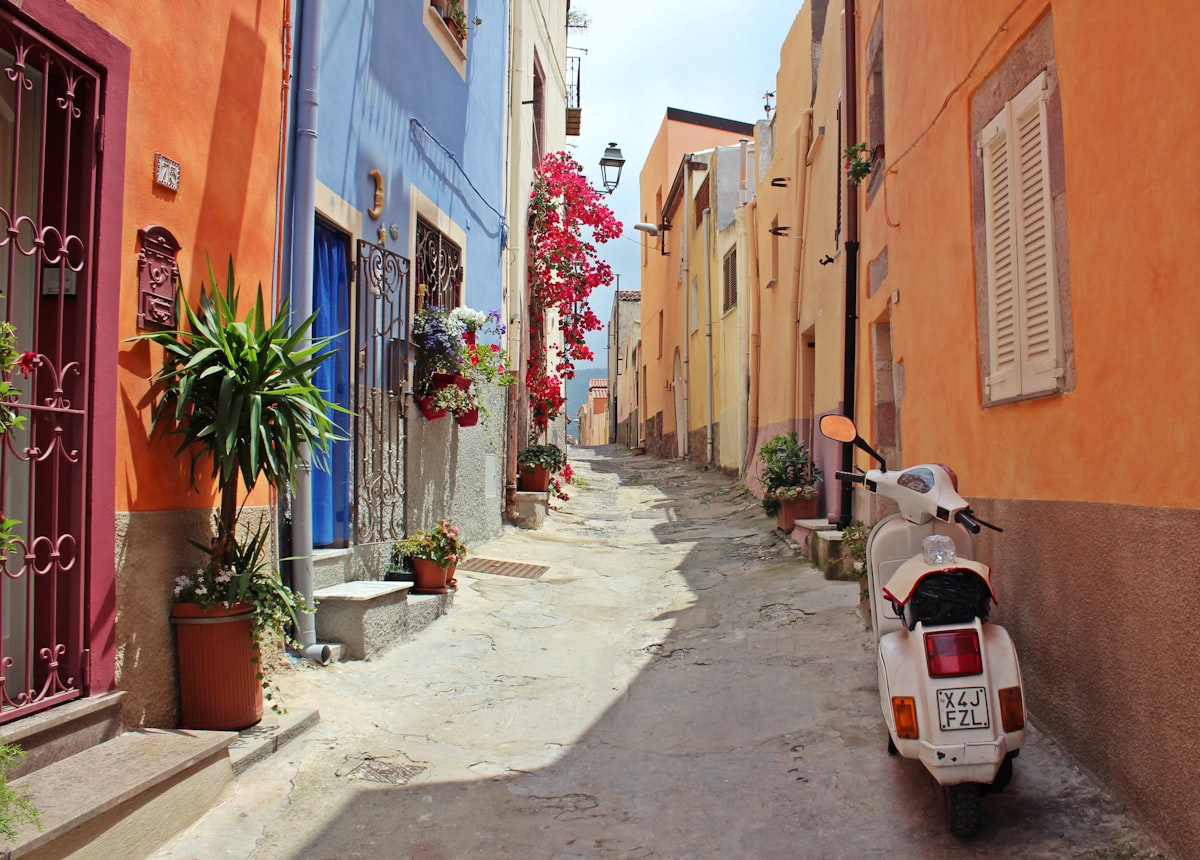
Sardinia's beaches are the most beautiful in the Mediterranean — white sand, crystalline turquoise water that genuinely competes with the Caribbean. The Costa Smeralda is Europe's elite summer playground, with superyachts anchored in Porto Cervo, but the island offers far more: a wild interior of mountains, caves, shepherd villages, and a distinctly Sardinian culture that feels unlike anywhere else in Italy. It is the perfect destination for closing an Italian journey with days of spectacular sun and sea.
Umbria — Tuscany's Quieter Sister
If you love Tuscany but not the crowds, Umbria is your answer. Vineyards, medieval hilltop villages (Orvieto, Spoleto, Assisi, Perugia), exceptional black truffles, first-rate olive oil, and the quietly impressive wines of Montefalco — all experienced with a fraction of Tuscany's tourist traffic and at considerably more accessible prices. Umbria pairs beautifully with Tuscany or with Rome.
The Dolomites — The Italian Alps
Dramatic rock formations that shift color with the light — rose at dawn, burnished gold at sunset. In winter, the Dolomites offer world-class skiing centered on Cortina d'Ampezzo, host of the 2026 Winter Olympic Games. In summer, hiking through landscapes that seem to belong to another planet, mountain refuges serving polenta and strudel, and a unique cultural blend of Italian and Austrian heritage (the region was part of the Austro-Hungarian Empire until 1918).
Liguria — The Italian Riviera
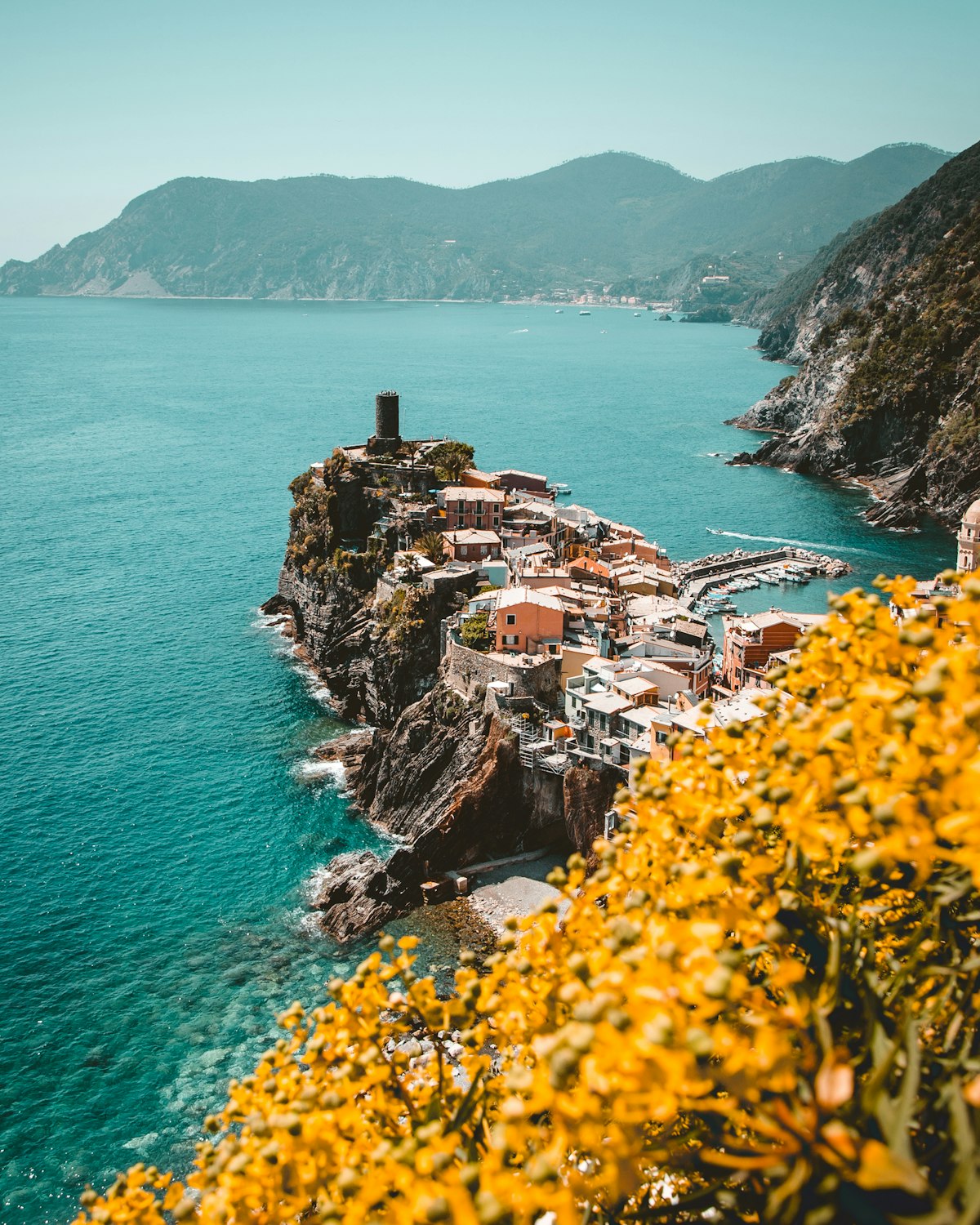
Cinque Terre with its five colorful villages suspended from cliffsides above the sea. Portofino with its coastal glamour and its celebrated yacht harbor. Santa Margherita Ligure with the elevated charm of a fishing village that knows its own worth. And the original Genovese pesto — made with Pré basil, pine nuts, garlic, parmigiano, and Ligurian olive oil — which bears no resemblance to anything you have tasted outside of Liguria.
Lake Garda — Where the Alps Meet the Mediterranean
Italy's largest lake enjoys a unique microclimate that allows olive trees and lemon groves to thrive in the heart of the Alps. Enchanting villages like Sirmione (with its medieval castle rising from the water and natural thermal baths), the vineyards of Bardolino and Valpolicella (Amarone), and a more relaxed, less touristed atmosphere than Lake Como.
"The food was on another level entirely — restaurants we never could have accessed on our own without Vilu."
How to Combine These Destinations
Lesser-known destinations work best when paired with the classics. Some combinations we design most often:
Rome + Puglia (10–12 nights). The iconic and the authentic. Rome 3–4 nights + Puglia 4–5 nights on a road trip.
Florence + Emilia-Romagna + The Dolomites (12–14 nights). Art + gastronomy + mountain grandeur. A completely different Italy.
Milan + The Lakes + Piedmont (10–12 nights). Fashion + nature + wine and truffles.
Sicily in Full (7–10 nights). An island that deserves a dedicated journey. A road trip from Palermo to Taormina via Agrigento and Etna.
Tuscany + Umbria (7–10 nights). The classic and its perfect alternative. Vineyards, hilltop villages, truffles, and olive oil without the crowds.
Frequently Asked Questions
Can I combine well-known destinations with lesser-known ones?
Yes — that is precisely what we recommend most. Rome + Puglia, Florence + Emilia-Romagna, Milan + the Lakes + the Dolomites. Pairing the iconic with the undiscovered makes for a profoundly richer journey.
How many days do I need for the lesser-known destinations?
14 nights to combine classic and off-the-beaten-path. 21 nights to truly immerse yourself in the less-traveled regions. With 7–10 nights, you can dedicate the entire trip to a single region such as Sicily or Puglia.
Is it less expensive outside the main tourist routes?
Generally, yes — particularly in Puglia, Umbria, Sicily, and Emilia-Romagna. Hotels are more accessible, restaurants more authentic, and the overall experience delivers far better value than Rome, Florence, or the Amalfi Coast.
| Region | Ideal Nights | Defining Experience | Tourism Level | Best Season |
|---|---|---|---|---|
| Puglia | 3-5 | Trulli, Matera, beaches, rustic cuisine | Low | May–Oct |
| Emilia-Romagna | 2-3 | Gastronomy, Ferrari, Lamborghini | Low–medium | Year-round |
| Piedmont/Barolo | 2-3 | Legendary wines, truffles, Turin | Low | Sep–Nov (truffle season) |
| Sicily | 5-7 | Greek temples, Etna, unique cuisine | Medium | Apr–Jun / Sep–Oct |
| Sardinia | 4-5 | Finest beaches in the Mediterranean | Medium | Jun–Sep |
| Umbria | 2-3 | Tuscany without the crowds, black truffles | Low | Apr–Jun / Sep–Oct |
| The Dolomites | 2-3 | Skiing (winter), hiking (summer) | Medium | Dec–Mar / Jun–Sep |
| Liguria | 2-3 | Cinque Terre, Portofino, pesto | High (summer) | May–Jun / Sep–Oct |
| Lake Garda | 2-3 | Unique microclimate, vineyards, villages | Medium | May–Sep |
Is this destination on your list?
Our team of Travel Designers will contact you within 24 hours.